Every summary is a short, drawn story
Peel does not hand you a wall of bullet points. Each newsletter or article becomes a few short pages you tap through in about two minutes, with drawn pictures in the style you choose.
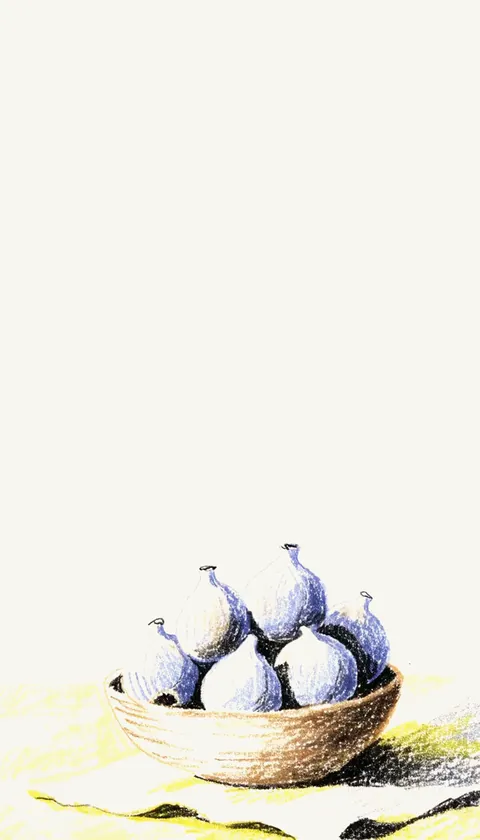
Every summary in Peel is a drawn story. A story is a short sequence of pages you tap through, about two minutes from start to finish, and every story comes with drawn pictures. You pick the picture style: crayon, line ink or charcoal line. The format is built for one job: to help you understand a piece quickly, remember it later and choose what to read next.
What a Peel story looks like
A story starts from a newsletter you sent to your Peel address or an article you shared. Peel cleans the text and turns it into a handful of pages. Each page is short. You tap to move on, at your own pace.
The pictures sit alongside the words. In your feed, each card shows its story's picture. The feed works as a daily edition, with stories grouped by day.
The story ends with one question: "Was this worth two minutes?" You answer Yes or Not really.
The three picture styles
You choose one style, and your stories are drawn in it:
- Crayon: soft color and visible texture, closer to a sketchbook.
- Line ink: clean pen lines, closer to a newspaper drawing.
- Charcoal line: darker, heavier strokes with more contrast.
Pick the one you find easiest to look at every day. There is no wrong answer.
Why pictures help you remember
Psychologists have long observed that people tend to recognize pictures better than words in memory tests. This is called the picture superiority effect. Allan Paivio's dual coding theory offers one explanation: an idea stored with a picture has two routes back into memory, one visual and one verbal.
A drawing will not make you remember a whole argument. It does give you a hook. Days later, "the story with the empty classroom" is easier to recall than "the third article I read on Tuesday." Once you have the picture, the main point tends to follow.
Why pictures help you choose
A feed of plain headlines asks you to read every line before you decide. A feed of pictures lets you scan. You can see at a glance which topic each story covers. That makes it easier to pick the one you want now and leave the rest for later.
Why short pages beat a bullet list
Bullet-point summaries are fast, but they flatten an argument into a list of key takeaways with no order. A story keeps the shape of the original: what the piece is about, the main point, the evidence and what it means. Short pages also give you natural places to stop. If page two tells you all you need, close it. For more on the idea, see visual summary.
An example
Here is a made-up example. You share a long essay that argues four-day school weeks hurt rural students. Your Peel story might run:
- The claim, and why the essay matters now.
- Why districts moved to four days: mostly cost and staffing.
- What the essay says test scores showed.
- What supporters of the change say back.
- "Was this worth two minutes?"
The picture, in charcoal line, might show an empty classroom on a Friday. The next time someone mentions school schedules, that image is what comes back first.
Honest limits
- The pictures are AI-made. They illustrate the topic or mood. They are not data, photos or evidence. Read the words for the facts.
- The text is AI-written too. It can miss nuance or misstate a detail. Check the original before you act on anything; see AI hallucination.
- Two minutes means leaving things out. Full read? shows what the story left out and how long the original takes.
Tips
- Read a story to the end before you judge the piece. The last pages often hold the counterargument.
- When you want to recall a story, start with its picture.
- Answer "Was this worth two minutes?" honestly. Over time, your answers show you which sources earn your attention.
- To see the full flow from link to story, read how Peel works.
Questions
- How long is a Peel story?
- A few short pages, about two minutes of reading. You tap to move from one page to the next.
- Who draws the pictures?
- AI models make the pictures, in the style you pick. They are not drawn by a human illustrator.
- Which picture styles can I choose?
- Three: crayon, line ink and charcoal line. You pick the one you like, and your stories are drawn in it.
- Can I trust what a picture shows?
- Treat it as an illustration of the topic, not as evidence. A drawing is never a chart, a photo or a record of what happened.
- Why stories instead of bullet points?
- A story keeps the order of an argument: the setup, the point, the evidence and what it means. Short pages also make it easy to stop when you have what you need.